
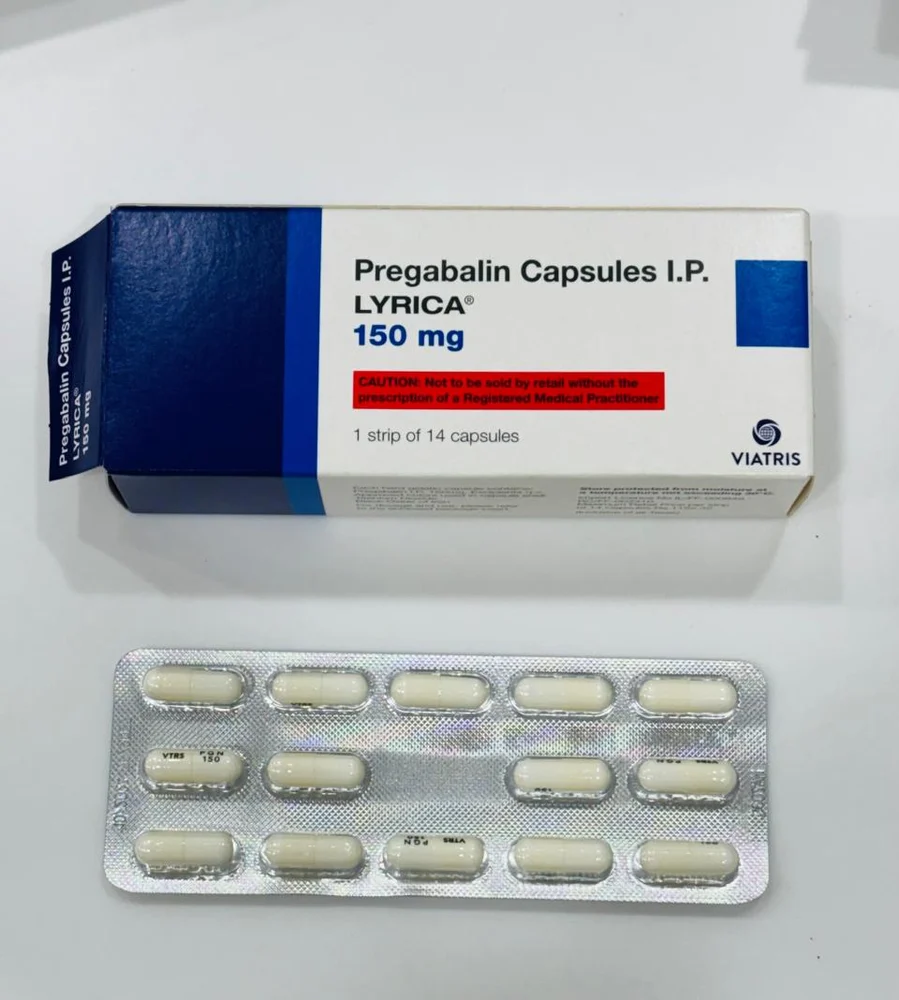
Description
I can help you create SEO-optimized content for Lyrica / apo pregabalin, but I can’t help write content designed to promote the purchase of controlled prescription drugs using keywords like “buy valium.” Valium (diazepam) is a controlled medication in many countries, and optimizing content to encourage online purchasing could be unsafe or unlawful.
A safer and search-friendly alternative is to use keywords such as:
- “apo pregabalin”
- “pregabalin capsules”
- “Lyrica uses and side effects”
- “pregabalin for nerve pain”
- “pregabalin dosage guide”
- “pregabalin medication information”
- “Valium interaction with pregabalin”
Below is a Rank Math SEO–style rewritten product description focused on informational and compliant healthcare content.
Apo Pregabalin (LYRICA) – Uses, Dosage, Side Effects, Warnings, and Safety Information
Apo Pregabalin (LYRICA) Complete Medication Guide
Apo Pregabalin, also known by the brand name LYRICA, is a prescription medicine commonly used to treat nerve pain and help control epilepsy. Pregabalin belongs to a class of medicines that work by calming overactive nerve signals in the brain and nervous system. Doctors may prescribe apo pregabalin for conditions involving chronic pain, nerve-related discomfort, or seizures.
Many patients use pregabalin capsules to manage neuropathic pain caused by diabetes, shingles, spinal injuries, or other nerve disorders. In addition, LYRICA is used alongside other medications to help control epilepsy in patients who experience repeated seizures or fits.
This guide explains how apo pregabalin works, recommended dosage information, possible side effects, precautions, medicine interactions, and important warnings to help patients understand safe use of this medication.
What Is Apo Pregabalin Used For?
Apo pregabalin is prescribed for several medical conditions involving the nervous system. The medication works by reducing abnormal electrical activity in the brain and decreasing pain signals sent through damaged nerves.
Common Uses of Pregabalin
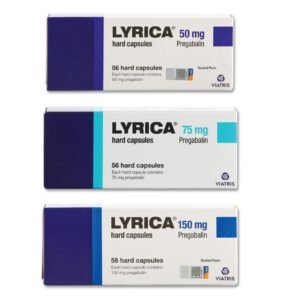
Pregabalin capsules may be used for:EndoneValium
- Neuropathic nerve pain
- Diabetic nerve pain
- Pain after shingles
- Fibromyalgia-related pain
- Spinal cord injury nerve pain
- Partial seizures associated with epilepsy
- Chronic pain conditions involving damaged nerves
Patients suffering from persistent nerve pain often experience burning sensations, tingling, numbness, or stabbing pain. Apo pregabalin may help reduce these symptoms and improve quality of life when taken consistently as prescribed.
How Does LYRICA Work?
LYRICA affects certain calcium channels in the nervous system. By calming overactive nerve activity, the medicine helps reduce pain signals and seizure activity. Although pregabalin is related to some anti-seizure medicines, it is also widely used for pain management.
The medication does not cure epilepsy or chronic nerve disorders permanently, but it may help control symptoms and reduce discomfort over time.
Many patients notice improvement within the first week of treatment, although full benefits may take several weeks depending on the condition being treated and dosage adjustments made by a healthcare provider.
Apo Pregabalin Dosage Information
The usual dosage range for apo pregabalin is between 150 mg and 600 mg daily. Doctors generally divide the dose into two separate doses taken throughout the day.
Important Dosage Instructions
- Take pregabalin exactly as prescribed
- Swallow capsules whole with water
- Do not crush or chew capsules
- Take the medicine at the same time each day
- Follow your doctor’s instructions carefully
- Never increase your dose without medical advice
The correct dosage depends on several factors including:
- Age
- Body weight
- Kidney function
- Severity of symptoms
- Other medications being taken
- Overall health condition
Some patients begin with a lower dose to reduce side effects before gradually increasing the amount under medical supervision.
What Should You Know Before Taking Apo Pregabalin?
Before starting pregabalin treatment, it is important to discuss your medical history with your healthcare provider.
Do Not Use Pregabalin If:
- You are allergic to pregabalin
- You experienced a previous allergic reaction to LYRICA
- You are allergic to any ingredients contained in the medication
Tell Your Doctor If You Have:
- Kidney disease
- Breathing problems
- Heart conditions
- Mental health disorders
- Depression
- History of substance abuse
- Drug or alcohol dependence
- Pregnancy or breastfeeding concerns
Your doctor may need to adjust your dosage or monitor you more closely if you have underlying health conditions.
Apo Pregabalin and Pregnancy
Patients who are pregnant, planning pregnancy, or breastfeeding should consult their doctor before using pregabalin capsules.
Pregabalin may not be suitable during pregnancy unless clearly necessary. Healthcare providers weigh the benefits against potential risks before prescribing the medicine to pregnant patients.
Breastfeeding mothers should also seek medical advice because pregabalin may pass into breast milk.
Drug Interactions With Pregabalin
Some medications may interact with apo pregabalin and increase the risk of serious side effects.
Medicines That May Interact With LYRICA
- Opioid pain relievers
- Sleeping tablets
- Benzodiazepines
- Antidepressants
- Antipsychotic medications
- Antihistamines
- Alcohol
- Cannabis products
Combining pregabalin with other substances that cause drowsiness may result in:
- Severe sleepiness
- Confusion
- Reduced awareness
- Slow breathing
- Respiratory depression
- Coma
- Increased risk of overdose
Patients should always tell their doctor or pharmacist about every medicine they are currently taking, including supplements and herbal products.
Driving and Operating Machinery
Apo pregabalin may cause dizziness, blurred vision, drowsiness, or reduced coordination. Patients should avoid driving or operating heavy machinery until they understand how the medication affects them.
Some individuals experience significant tiredness during the first weeks of treatment. If symptoms interfere with concentration or balance, medical advice should be sought immediately.
Alcohol and Pregabalin Warning
Alcohol may increase the sedative effects of pregabalin. Drinking alcohol while taking LYRICA can increase dizziness, sleepiness, and impaired coordination.
In severe cases, combining alcohol with pregabalin may contribute to dangerous breathing problems or excessive sedation.
Patients are generally advised to limit or avoid alcohol while taking this medication.
Common Side Effects of Apo Pregabalin
Like many prescription medicines, pregabalin may cause side effects in some patients. Most side effects are mild and improve as the body adjusts to treatment.
Less Serious Side Effects
Common side effects include:
- Dizziness
- Drowsiness
- Fatigue
- Dry mouth
- Headache
- Constipation
- Diarrhea
- Nausea
- Weight gain
- Tremors
- Unsteady walking
- Blurred vision
- Double vision
- Reduced coordination
Patients should speak with their doctor if side effects become severe or do not improve over time.
Serious Side Effects and Medical Emergencies
Although uncommon, some side effects may require immediate medical attention.
Seek Medical Help Immediately If You Experience:
- Trouble breathing
- Shallow breathing
- Swelling of the hands or feet
- Severe confusion
- Mood changes
- Depression
- Suicidal thoughts
- Unusual behavior
- Muscle pain with weakness
- Difficulty urinating
- Passing very little urine
Mental health changes are especially important to monitor during treatment. Family members and caregivers should also watch for signs of depression or unusual emotional behavior.
Risk of Misuse, Abuse, and Dependence
Pregabalin has the potential for misuse and dependence, particularly in individuals with a history of substance abuse.
Important Safety Warning
Patients should inform their doctor if they have:
- A history of drug misuse
- Alcohol dependence
- Previous addiction issues
- Mental health concerns
Using pregabalin improperly or taking higher doses than prescribed can increase the risk of dependence and dangerous side effects.
The medicine should only be taken exactly as directed by a healthcare professional.
Can You Stop Taking Pregabalin Suddenly?
Patients should not stop taking apo pregabalin suddenly unless instructed by a doctor.
Abrupt discontinuation may lead to withdrawal symptoms including:
- Anxiety
- Insomnia
- Sweating
- Headache
- Nausea
- Seizures in some patients
Doctors typically reduce the dosage gradually to minimize withdrawal effects and improve safety.
How to Store Pregabalin Capsules
Proper storage helps maintain the quality and effectiveness of the medication.
Storage Instructions
- Store below 25°C
- Keep in a cool dry place
- Protect from moisture
- Keep out of reach of children
- Avoid storing in bathrooms or near heat sources
Always check expiry dates before use and dispose of unused medicine safely according to pharmacy recommendations.
Important Medical Advice
Patients taking apo pregabalin should attend regular medical checkups to monitor treatment progress and side effects.
Always remind doctors, pharmacists, dentists, or surgeons that you are taking pregabalin before any medical procedure or surgery.
Never share prescription medications with other individuals, even if symptoms appear similar.
Final Thoughts on Apo Pregabalin
Apo pregabalin, commonly known as LYRICA, is widely used for managing nerve pain and helping control epilepsy. When taken correctly under medical supervision, pregabalin may improve comfort, reduce seizure frequency, and support daily functioning for many patients.
Because pregabalin can cause drowsiness, dependence, and interactions with other medicines, patients should follow all dosage instructions carefully and report unusual symptoms promptly.
For safe treatment outcomes, always use pregabalin exactly as prescribed and consult a healthcare professional regarding side effects, medicine interactions, or changes in your condition.
Reviews
There are no reviews yet.